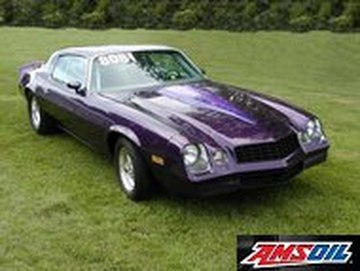
Lubrication Maintenance for the 1981 Chevrolet CAMARO 3.8L
Maintaining a vehicle from the early 1980s requires a proactive approach to fluid management and mechanical inspection. For the 1981 Chevrolet CAMARO equipped with the 3.8L engine, consistent attention to lubrication systems is a fundamental aspect of long-term ownership. Because older engines may exhibit different sealing characteristics or material behaviors compared to modern vehicles, understanding how to monitor and respond to changes in fluid condition is essential for any owner.
Monitoring Fluid Integrity and Potential Leaks
One of the most effective ways to manage an aging engine is through regular visual inspections. For this 1981 Chevrolet CAMARO, owners should periodically check the area surrounding the engine block and the underside of the vehicle for signs of fluid seepage. While some level of minor seepage can occur as gaskets and seals age, identifying changes in these patterns is vital.
When performing a visual check, look for:
- Dampness or dark staining on the engine surfaces or near sealing points.
- Fresh fluid spots on the driveway or garage floor beneath the vehicle.
- Evidence of oil residue accumulating on other components, which may indicate a slow leak from above.
If you notice new signs of leakage, it warrants further investigation to determine if a specific seal or gasket requires attention. Addressing minor seepage early can prevent more significant issues that might arise from sudden fluid loss.
Observing Changes in Engine Oil Condition
The condition of the engine oil itself provides important clues about the internal state of the 3.8L engine. Beyond simply checking the level, observing the physical characteristics of the lubricant can be a useful diagnostic tool. If the oil appears excessively dark, gritty, or has an unusual odor, it may indicate that the fluid is heavily contaminated or has exceeded its effective service life.
It is also important to remain observant of how the engine behaves during operation. While many factors can cause changes in performance, certain symptoms should not be ignored:
- Unusual mechanical noises that coincide with engine operation.
- Changes in the way the engine idles or responds to throttle inputs.
- Visible exhaust smoke that may suggest an issue with how the engine is managing its fluids.
Because symptoms can have multiple underlying causes, these observations should be treated as indicators for further professional inspection rather than definitive diagnoses of a specific part failure.
Prioritizing Maintenance Through Record Keeping
For owners of a 1981 Chevrolet CAMARO, establishing a clear maintenance baseline is one of the most practical steps toward responsible ownership. If you have recently acquired this vehicle and do not have access to its previous service history, your first priority should be to document every inspection and fluid change moving forward.
A well-maintained logbook allows you to distinguish between routine service and emerging issues. By tracking when oil was last changed, which products were used, and noting any observed leaks or noises, you can identify patterns over time. This historical data is invaluable when deciding whether a component needs preventive replacement or if it is still performing within acceptable parameters. Instead of relying on assumptions about the vehicle's age, use your own recorded observations to guide your maintenance priorities.
Managing Aging Engine Components
As vehicles age, certain non-engine components also require attention to ensure the overall health of the vehicle. For this 1981 model, it is wise to inspect various peripheral systems during routine service intervals. If equipped, accessible drive belts should be checked for signs of deterioration such as cracking, glazing, or fraying. Similarly, if the vehicle is equipped with various rubber hoses, these should be inspected for softness, swelling, or visible cracks.
Electrical connections and wiring harnesses should also be examined for signs of brittleness or corrosion, which can affect the reliability of engine sensors and ignition components. By addressing these age-related items through regular inspection rather than waiting for a failure, you can maintain a more stable operating environment for the 3.8L engine.
Effective Strategies for Long-Term Engine Care
Long-term care for an older Chevrolet CAMARO involves distinguishing between necessary repairs and unnecessary parts replacement. A common mistake is to replace components simply because they are old; however, a more effective strategy is condition-based maintenance. This means prioritizing tasks based on the actual state of the vehicle as determined by your inspections.
If you encounter an active leak or notice a change in fluid consumption, these should be addressed before moving on to other preventive tasks. Furthermore, monitoring how the engine handles different operating conditions can help you tailor your maintenance approach. For example, if you notice the engine requires more frequent attention during certain seasons, you can adjust your inspection frequency accordingly. The goal is to create a sustainable maintenance routine that responds to the specific needs of your individual vehicle.
Practical Guidance for Buying Engine Oil for your 1981 Chevrolet CAMARO 3.8L
When it is time to replenish your engine's lubrication, the most important step is to ensure the product you select matches the requirements for your specific application. Rather than relying on general automotive knowledge or assumptions based on the vehicle's age, always refer to the application-specific information provided on this webpage.
When selecting a product, consider the following practical steps:
- Match the oil to the vehicle-specific viscosity and application information shown above.
- Check the product labeling carefully to ensure it meets the appropriate API certification for your needs.
- Evaluate different formulations, such as conventional, synthetic blends, or high-mileage oils, based on the specific guidance provided in your application details. Some high-mileage oil formulations contain additives intended for use in aging engines, including seal-conditioning additives.
- Verify that the container is sealed and the product is within its shelf life before purchase.
By following the specific viscosity and lubricant guidance listed on this page, you ensure that your 1981 Chevrolet CAMARO 3.8L receives the correct level of protection for its unique mechanical requirements.